

In recent years, driven by technological advancements and the growing demand for sustainable energy solutions, the solar energy industry has undergone a dramatic transformation. Among numerous innovations, monocrystalline flexible solar technology has emerged as a disruptive technology, opening up new dimensions for solar power generation. This article will explore how monocrystalline flexible solar technology is revolutionizing the solar energy industry and paving the way for more efficient and flexible use of solar energy.
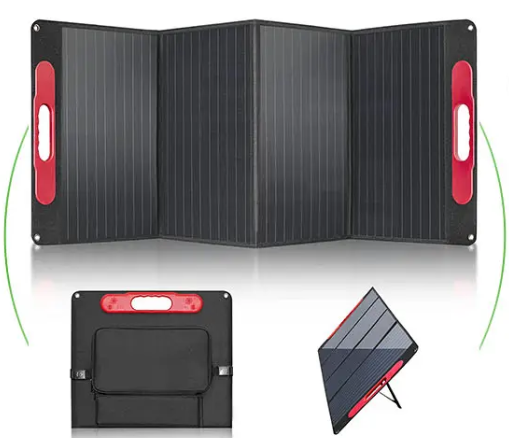
Monocrystalline flexible solar panels are a type of photovoltaic (PV) technology that combines the advantages of monocrystalline solar cells with a flexible substrate. Unlike traditional rigid solar panels, which are typically bulky and heavy, monocrystalline flexible panels are lightweight, portable, and easy to integrate onto various surfaces. This flexibility opens up endless possibilities for solar energy applications, making them ideal for both residential and commercial use.
One of the most significant advantages of monocrystalline flexible solar panel technology is its exceptional adaptability. These panels can be installed on a variety of surfaces, including curved roofs, vehicles, and even portable devices. This versatility allows for the utilization of solar energy in locations where traditional solar panels are difficult or impossible to install. For example, integrating solar panels into the design of electric vehicles not only improves their energy efficiency but also contributes to enhancing the overall sustainability of transportation.
Furthermore, monocrystalline flexible solar panels are renowned for their high efficiency. Monocrystalline solar cells are known for their superior solar energy conversion performance, and when combined with flexible designs, they not only maintain this efficiency but also offer additional advantages. The lightweight nature of these panels reduces the structural load on buildings, making them ideal for retrofitting existing structures without requiring large-scale alterations.
The manufacturing process of monocrystalline flexible solar panels is also a major attraction. Compared to traditional rigid solar panels, the production of flexible solar panels typically requires fewer resources and energy. This not only reduces carbon emissions during production but also lowers the overall cost of solar systems. With the continued growth in demand for renewable energy, the economics of monocrystalline flexible solar panels make them an ideal choice for a wider range of users.
Beyond its practicality, Mono Flexible technology aligns with the growing trend of aesthetic integration in solar solutions. As consumers increasingly prioritize the visual appeal of solar installations, the sleek and understated design of flexible panels offers a highly attractive option. This aesthetic advantage can encourage more homes and businesses to adopt solar energy, further driving the transition to renewable energy.
The potential of monocrystalline flexible solar panel technology extends far beyond individual devices. As the solar industry continues to evolve, integrating flexible solar panels into larger systems, such as solar power plants and energy storage solutions, promises to significantly improve energy management. These panels can be deployed in unconventional locations, thereby increasing power generation capacity and contributing to a more resilient power grid.
In summary, monocrystalline flexible solar technology is revolutionizing the solar energy industry with its multifunctional, efficient, and aesthetically pleasing solar energy utilization solutions. Its adaptability to various surfaces, high efficiency, and low environmental impact make it an ideal choice for consumers and businesses. As the world moves towards a more sustainable future, monocrystalline flexible solar technology remains at the forefront of innovation, leading solar power generation into a new era.
Post time: Dec-12-2025


