

You've probably seen the term thrown around in product catalogs and trade shows. But what exactly is a solar kit, and why should it matter to your business?
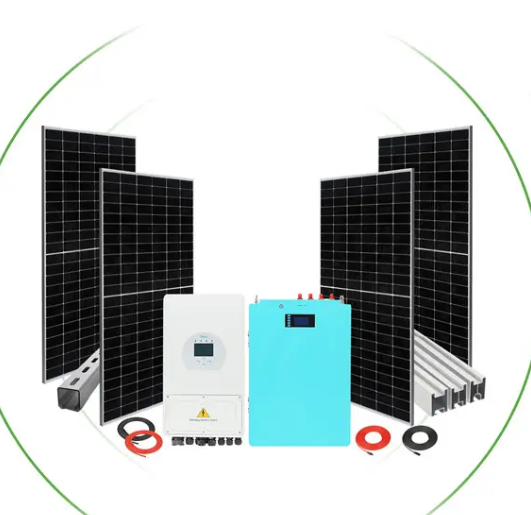
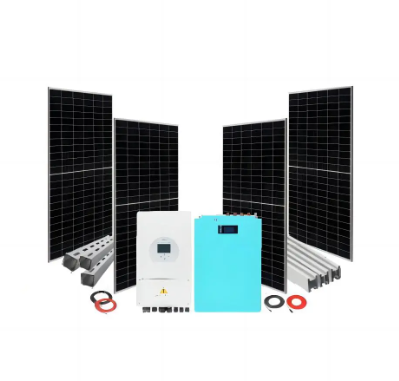
Here's the short answer: a solar kit is a pre-packaged system that includes everything you need to generate solar power—panels, charge controller, inverter, batteries, cables, and mounting hardware. One box. One purchase order. No chasing down components from five different suppliers.
Sounds simple, right? It is. And that's precisely why solar kits have become the go-to solution for distributors, contractors, and project developers who need reliable systems without the sourcing headaches.
What's Inside a Typical Solar Kit?
Not all kits are identical, but most include these core components:
Solar Panels – The power source. Monocrystalline panels dominate the market for their efficiency (18-22%), though polycrystalline options show up in budget-focused kits.
Charge Controller – Protects your batteries from overcharging. PWM controllers work fine for smaller systems. MPPT controllers cost more but squeeze 15-30% extra efficiency from your panels.
Inverter – Converts DC power to AC. Pure sine wave inverters handle sensitive electronics better than modified sine wave units. Size matters here—undersized inverters create bottlenecks.
Battery Bank – Stores energy for nighttime or cloudy days. Lithium-ion (LiFePO4) batteries last longer and handle deeper discharge cycles than lead-acid. But they'll cost you 2-3x more upfront.
Cables and Connectors – MC4 connectors are industry standard. Don't overlook cable gauge—undersized wiring means voltage drop and wasted power.
Mounting Hardware – Roof mounts, ground mounts, pole mounts. Depends on the application.
Three Types of Solar Kits You'll Actually Encounter
Off-Grid Solar Kits
No utility connection. The system runs independently—panels charge batteries during the day, batteries power loads at night. Popular for rural electrification, cabins, telecom towers, and remote monitoring stations.
Sizing is critical here. Underestimate your load requirements, and the system fails when users need it most.
Grid-Tied Solar Kits
These connect directly to the utility grid. Excess power feeds back to the grid; shortfalls pull from it. No batteries required in most configurations, which cuts costs significantly.
The catch? When the grid goes down, so does your system—unless you add battery backup.
Hybrid Solar Kits
Best of both worlds. Grid connection plus battery storage. The system prioritizes solar, stores excess in batteries, and only draws from the grid when necessary. Higher upfront cost, but energy independence and backup power make it worthwhile for commercial applications.
Why Buyers Are Shifting to Complete Solar Kits
Let's be honest—sourcing individual components is a pain. You're juggling multiple suppliers, matching specifications, dealing with separate shipping timelines, and hoping everything actually works together when it arrives.
Solar kits eliminate that friction. Components are pre-matched for compatibility. One supplier handles quality control. One invoice. One point of contact when something goes wrong.
For distributors building inventory, kits simplify SKU management. For contractors, they reduce installation errors. For end users, they mean faster deployment and fewer surprises.
What to Check Before You Order
A few questions worth asking your supplier:
Component brands – Are panels, inverters, and batteries from reputable manufacturers, or generic no-name parts?
Warranty coverage – Does the kit warranty cover all components, or just some? Who handles claims?
Certifications – IEC, TUV, CE, UL—depending on your target market, compliance matters.
Expandability – Can the system scale up later, or is it a dead end?
Documentation – Wiring diagrams, installation guides, spec sheets. You'd be surprised how many suppliers skip this.
Looking for a Reliable Solar Kit Supplier?
We manufacture and supply complete solar kits for off-grid, grid-tied, and hybrid applications—ranging from 1kW residential systems to 50kW+ commercial installations. Flexible configurations. Private labeling available. Competitive container pricing with delivery to ports worldwide.
Tell us your project specs. We'll put together a quote that actually makes sense for your market.
Post time: Dec-26-2025


